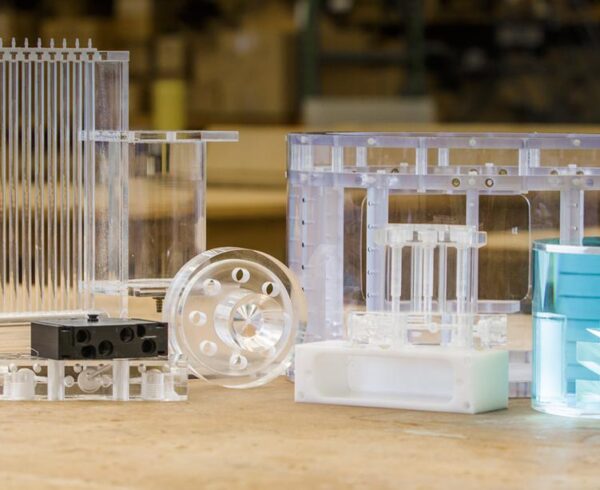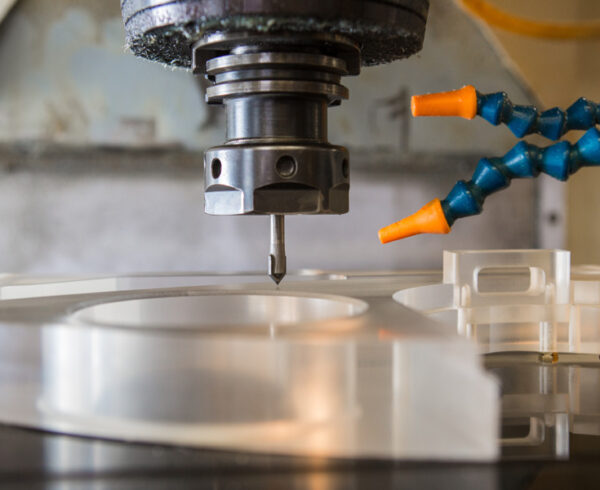


Custom plastic machining and fabrication provide manufacturers with a flexible way to produce high-performance components without the high tooling costs associated with processes like injection molding. These methods are particularly valuable for low- to medium-volume production, rapid design iteration, and applications where precise tolerances and material performance are critical. By using CNC machining, sheet cutting, forming, and specialized joining techniques, engineers can produce complex plastic parts that meet demanding mechanical, chemical, and environmental requirements.
A wide range of engineering plastics are used in these processes, including materials such as ABS, acetal (POM), UHMW-PE, PTFE, polycarbonate, nylon, and phenolic laminates. Each material offers distinct performance characteristics, from chemical resistance and low friction to impact strength and electrical insulation. Selecting the right material is only part of the process; successful parts also depend on designing features that match the machining behavior of the polymer, accounting for factors like thermal expansion, moisture absorption, and stress relaxation.
When properly designed and manufactured, custom machined plastic parts can deliver excellent durability, dimensional stability, and cost efficiency. Applying sound design-for-manufacturability practices—such as specifying tight tolerances only where function requires them and planning for appropriate finishing and inspection—helps reduce production costs and improve reliability. As a result, custom plastic machining and fabrication continue to play a key role in industries that demand precision components with specialized performance characteristics.